The transitional site and a new chapter in university life
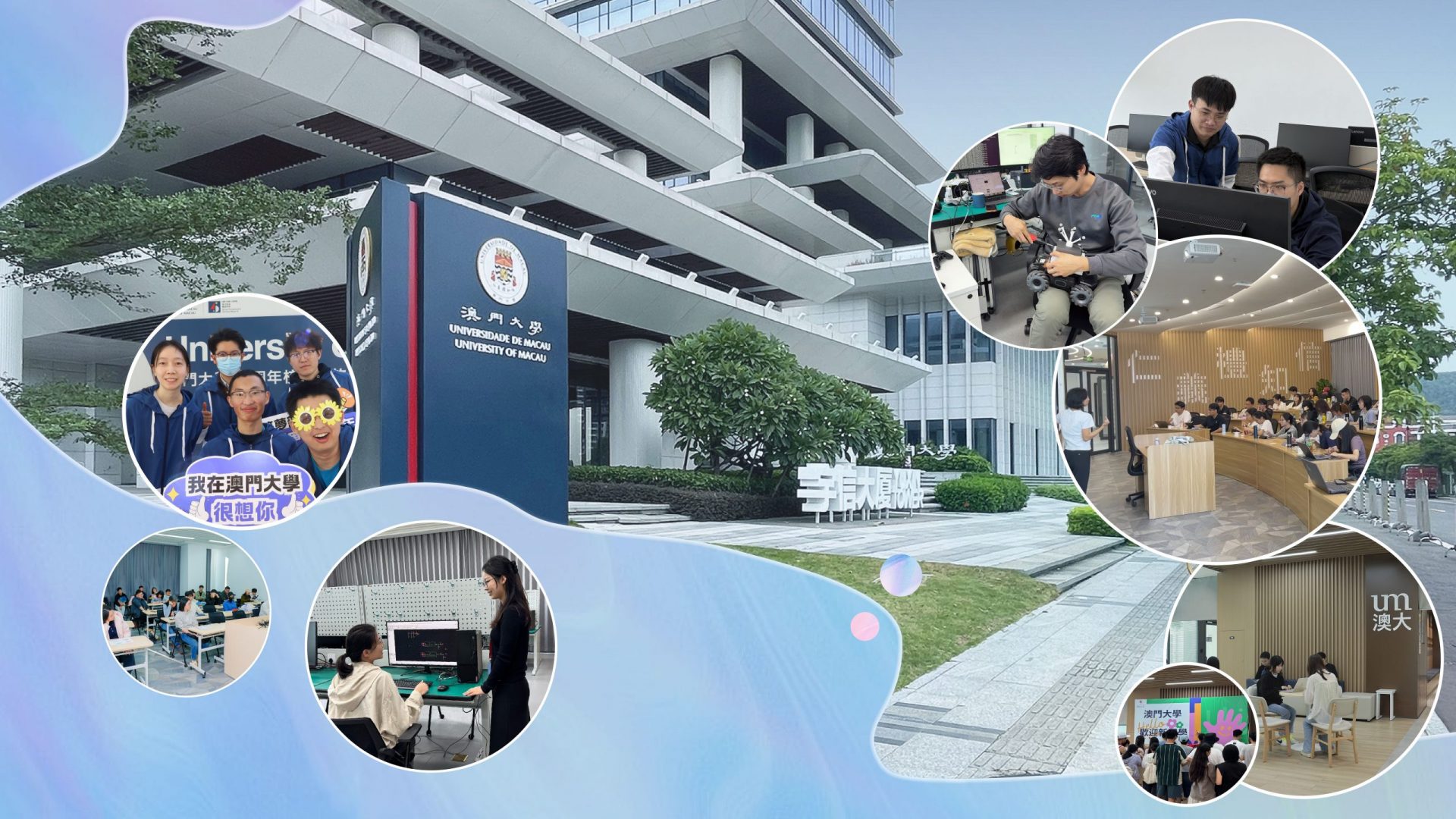
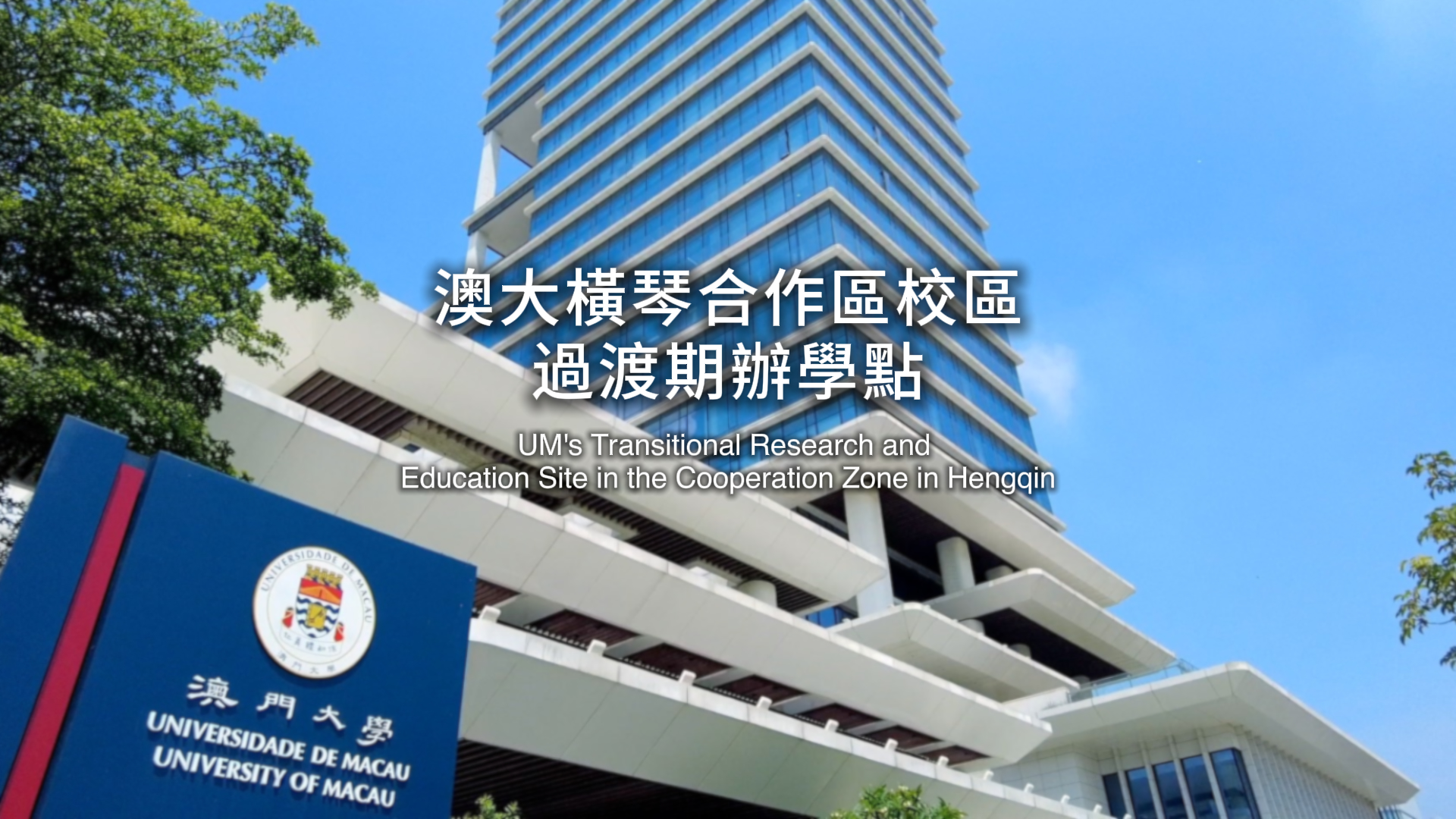
On the western bank of Hengqin Island, overlooking the Tianmu River, the University of Macau’s (UM) Transitional Research and Education Site in the Cooperation Zone in Hengqin has emerged as a new hub for teaching and research ahead of the completion of its permanent campus. Since it began operations in August 2024, the site has introduced a new rhythm of university life between Macao and Hengqin. Over the past year and a half, faculty members and students have adapted to working and studying across the two locations. More than an extension of classrooms and laboratories, the new transitional site represents innovation in teaching, expanded research horizons, a vision for the future, and a bold step forward in UM’s integration into the Greater Bay Area. Six faculty members and students share their experiences being among the first to shape this new chapter.
A new environment for learning and research
Step into the transitional site and the sense of openness is immediate. High ceilings, wide corridors, and a flexible, modular layout create a spacious, contemporary environment. Classrooms, laboratories, offices, and communal areas are clearly defined yet flow naturally into one another, while floor-to-ceiling windows frame sweeping views of the Tianmu River.
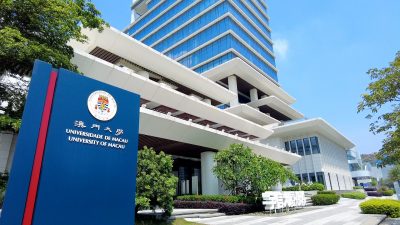
UM’s Transitional Research and Education Site in the Cooperation Zone has been in operation since August 2024
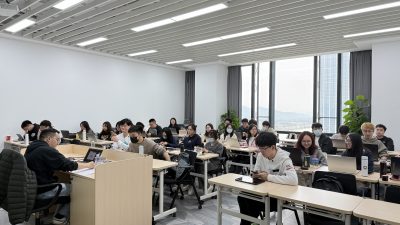
The transitional site features a bright and airy learning environment
More than a physical extension of UM’s main campus, the site represents a tangible upgrade in how teaching and research are experienced. Wei Jiannan, a postgraduate student in the Internet of Things (IoT) programme in the Faculty of Science and Technology (FST), is among the second cohort to study there. He describes the environment as offering ‘shared learning spaces similar to those on the main campus, excellent lighting, and superb views’. What impressed him most, however, was the research infrastructure. The site houses branches of the State Key Laboratory of Analog and Mixed-Signal VLSI and the State Key Laboratory of Internet of Things for Smart Cities, with advanced equipment readily available. ‘The facilities include an RTX 4080 GPU and a real-time digital simulator (RTDS), which support cutting-edge research in smart energy,’ he explains. ‘The network infrastructure also supports generative AI services, significantly improving research efficiency.’
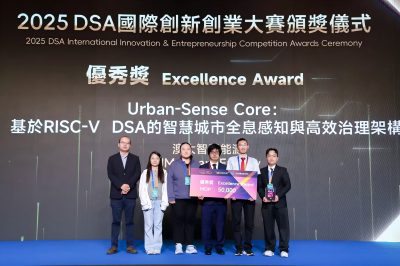
Wei Jiannan (second from right) won an Excellence Award at the 2025 DSA International Innovation and Entrepreneurship Competition
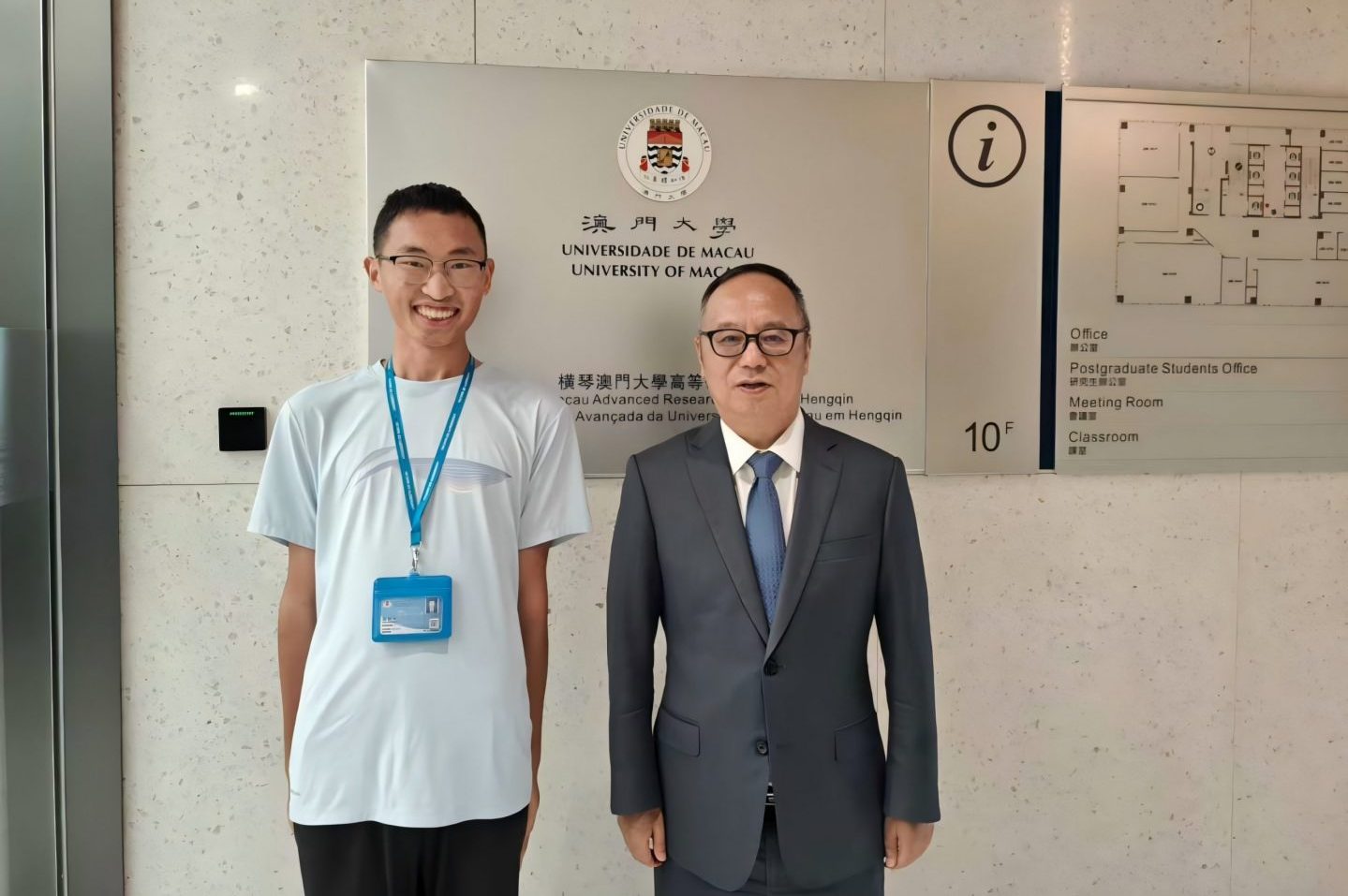
Rector Yonghua Song with Wei Jiannan during his visit to the transitional site to meet with postgraduate students
For those who spend long hours in laboratories and offices, the working environment matters. Wei notes that the abundant natural light reduces eye strain and creates a more comfortable atmosphere. He recalls leaving a meeting at dusk and seeing the sunset cast a golden glow across the Tianmu River—a quiet moment of reflection amid demanding research work. It was during his time at the transitional site that his research earned an Excellent Award at the 2025 DSA International Innovation and Entrepreneurship Competition, marking a milestone in both his academic journey and the site’s early development.
Faculty members share this positive assessment. Zhu Yan, associate professor and director of industrial collaboration coordination at the UM Institute of Microelectronics (IME), describes the site as compact yet thoughtfully designed. ‘The functional areas are clearly organised, integrating teaching, research, conferences, and exhibitions. The intelligent control system enhances teaching convenience and improves the overall learning experience,’ she says. Prof Zhu was particularly struck by the pace of the site’s completion. ‘From planning and interior fitting to official opening, it took only nine months. The use of high-grade environmentally friendly materials throughout also gives faculty and students confidence in the safety and quality of the environment.’
Life and learning between Macao and Hengqin
Travelling between Macao and Hengqin has become part of daily life for many at the transitional site. What might once have seemed a logistical challenge has gradually evolved into a distinctive rhythm of cross-border study—one that blends academic focus with personal growth.
Yang Shiyuan, a doctoral student in electromechanical engineering in FST, is among the second cohort based at the site. His research requires regular travel between the main campus and the transitional site. Although he initially worried about the additional commuting time, he soon found ways to make it productive. ‘I often reflect on research problems during the journey, and inspiration sometimes comes unexpectedly,’ he says. The geographical separation has also encouraged new approaches to teamwork. Yang and his collaborators have adopted a hybrid ‘cloud + in-person’ model, using platforms such as Lark and GitHub alongside shared documents to coordinate their work. ‘Even when we are not physically together, the logic and progress of the project continue seamlessly,’ he explains.
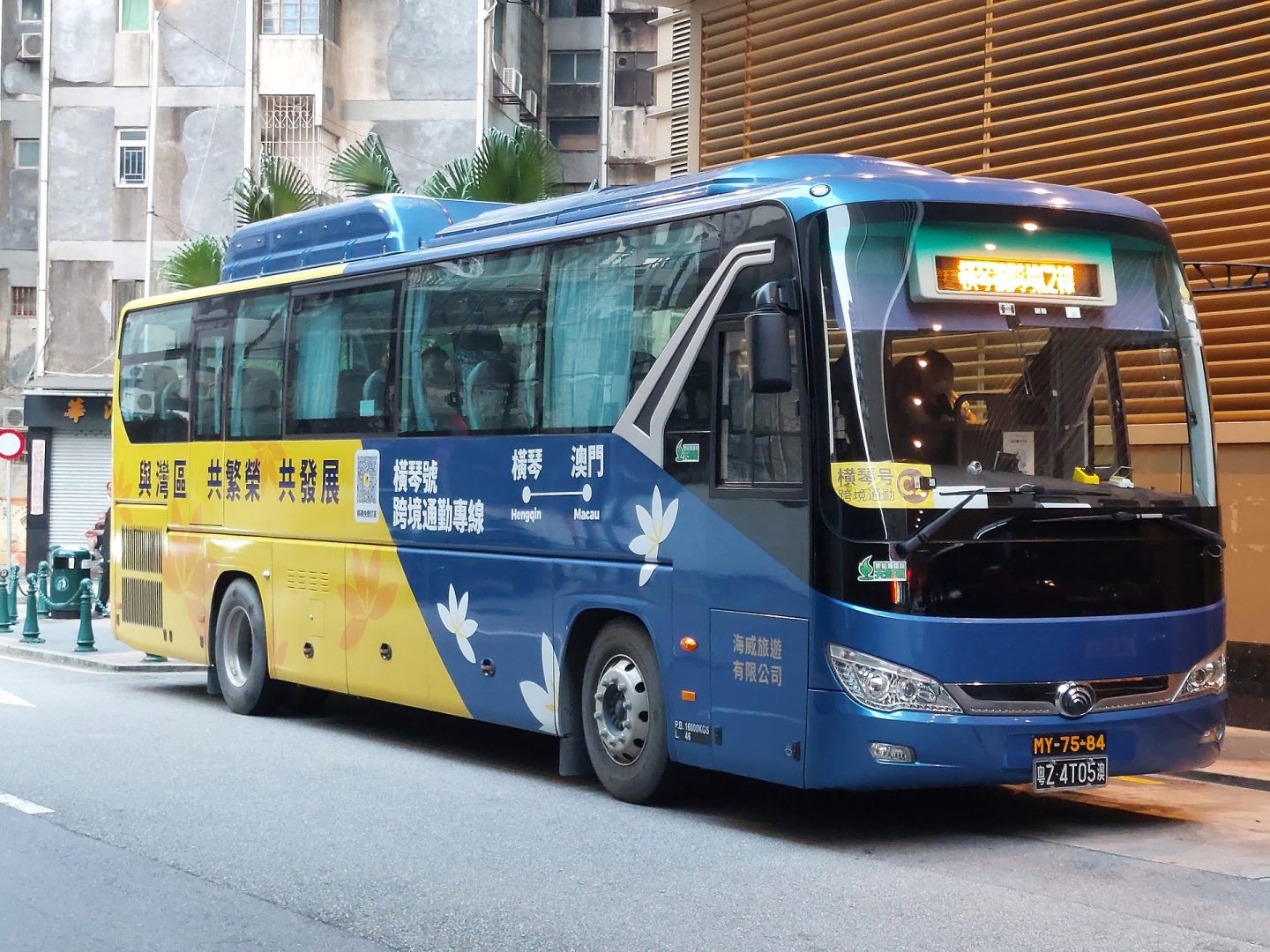
Shuttle services are provided between Macao and Hengqin to facilitate commuting
For Xiao Jinling, a postgraduate student in finance in the Faculty of Business Administration (FBA), studying across the border has reshaped not only her academic routine but also her way of living. As a member of the first cohort to move to the transitional site, she served as a mentor in UM’s postgraduate residence in Hengqin, helping fellow students adjust to their new surroundings. ‘It did take time to adapt,’ she recalls, ‘but the dormitory offers a different lifestyle. The rooms are more spacious, with balconies and gas stoves for cooking. The facilities are brand new and better suited to mainland living habits.’ Xiao also noticed the university’s responsiveness to student feedback. Additional night bus services from Hengqin Port to the residence halls were introduced, making travel between Macao and Hengqin increasingly convenient.
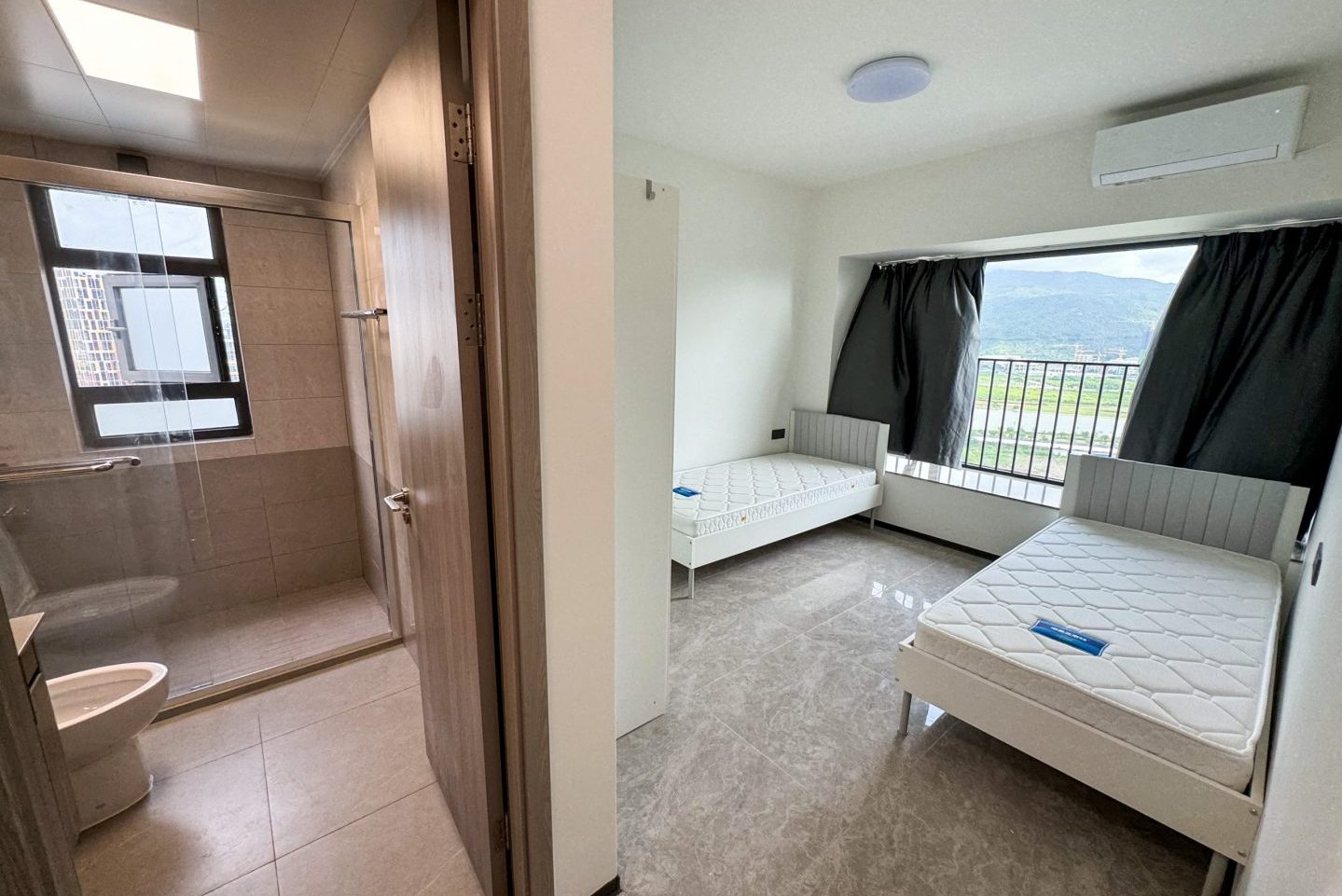
A postgraduate dormitory in Hengqin

Xiao Jinling assists fellow students in adapting to the new environment
Over time, Xiao has developed her own cross-border routine. ‘I do most of my daily shopping and spend most of my living expenses in Hengqin, while academic activities and cultural events take place in Macao when needed. This lifestyle has strengthened my time management skills and allowed me to enjoy the advantages of both places,’ she reflects.
Connecting theory and practice
As an extension of UM’s educational offerings on the main campus, the transitional site’s postgraduate programmes are fully aligned with those offered there, covering cutting-edge fields such as AI, IoT, microelectronics, financial technology, and data science. Moreover, courses are delivered across both locations, allowing students to share faculty expertise and academic resources.
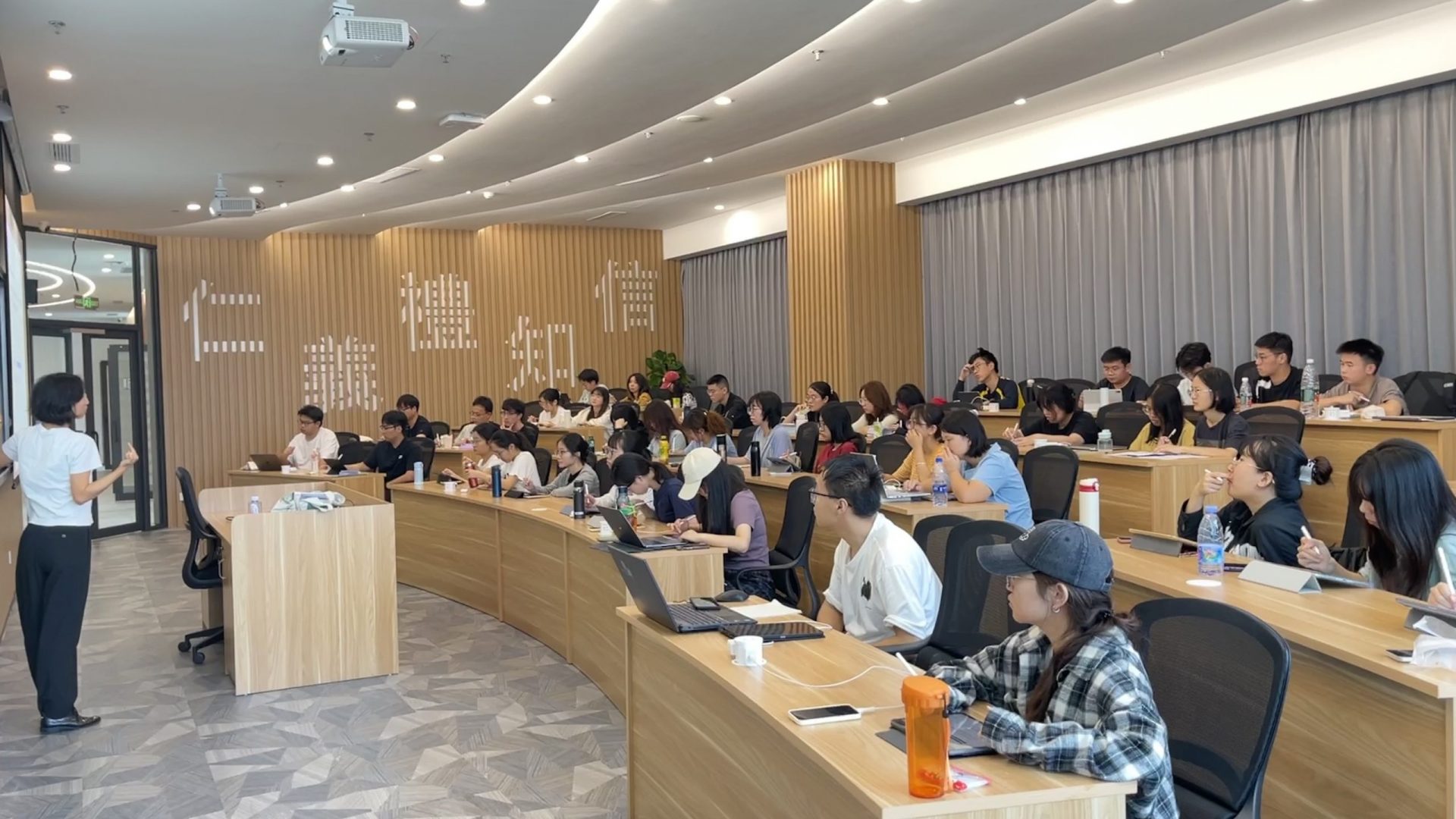
The transitional site’s postgraduate programmes are fully aligned with those offered on the main campus
For Hui Hongxun, assistant professor in FST, the site’s defining strength is its connectivity. ‘IoT emphasises connection and real-world scenarios—and Hengqin itself is a vast living laboratory,’ he says. He encourages students to see local buildings, transport networks, and energy systems not as background infrastructure, but as research opportunities.

Prof Hui Hongxun (right)
In one course, students design IoT-based improvement plans for community centres and commercial districts in Hengqin. The approach is deliberately hands-on. ‘Previously, after explaining theory, we might wait a week before accessing laboratory facilities. Here, students can immediately run small-scale experiments or collect data in nearby test environments. This “learn and apply immediately” rhythm deepens understanding and accelerates feedback,’ Prof Hui explains.
Industry engagement further strengthens this model. During his course on the application of IoT in smart grids, Prof Hui takes students to visit China Southern Power Grid’s zero-carbon building in Hengqin, where they observe how technological systems operate in practice. He also invites industry experts from across the Greater Bay Area to deliver short lectures, exposing students to diverse professional perspectives and emerging challenges.
A similar dynamic is evident in courses on data. Gong Shuaishuai, assistant professor in FBA who teaches ‘Data Analysis and Financial Technology’, points to Hengqin’s advantages in data resources and computing capacity. ‘Mainland infrastructure offers greater cost-effectiveness compared with Macao, allowing us to deploy big data and high-performance computing platforms more efficiently,’ he says. Prof Gong’s course examines topics such as data as an asset and the complexities of cross-border data flow. Using the ‘Standard Contract for the Cross-boundary Flow of Personal Information within the Guangdong-Hong Kong-Macao Greater Bay Area (Mainland, Macao)’ as a case study, he demonstrates how the arrangement has simplified impact assessments for personal data protection and provided institutional support for cross-border data flows between Macao and the mainland.
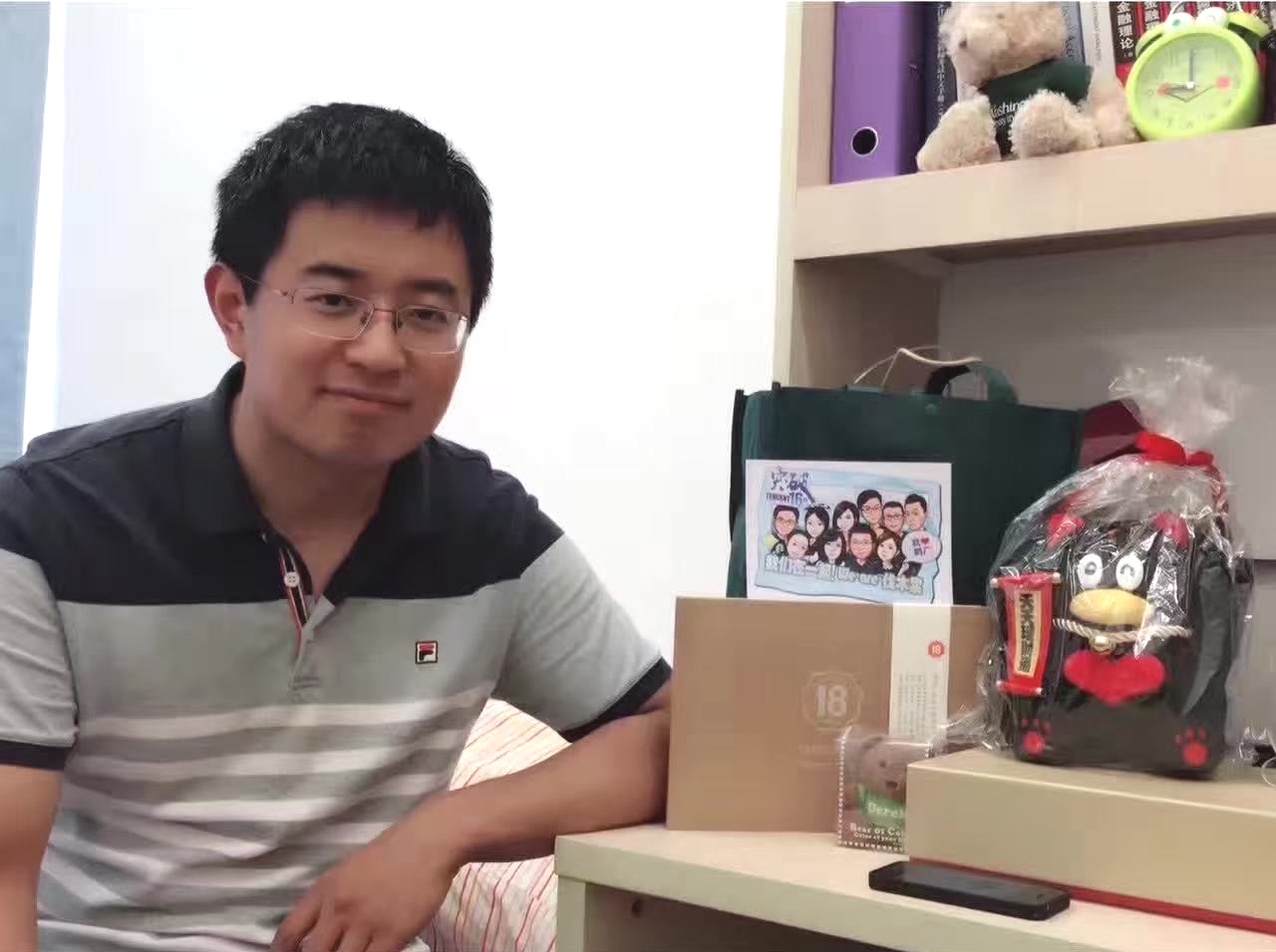
Prof Gong Shuaishuai
From a broader curriculum perspective, Prof Zhu notes that many of the transitional site’s programmes are practice-oriented engineering master’s degrees closely aligned with industry needs. ‘The industry-academia collaboration facilities here provide real scenarios for two-way interaction between universities and enterprises,’ she notes. In technical subjects such as integrated circuit design, faculty members incorporate the needs of enterprises in the Cooperation Zone into case studies and project-based modules, directly linking classroom theory with real industrial challenges. Modern laboratories and open experimental spaces further support this “learning by doing” approach, ensuring that teaching remains closely aligned with practical application.
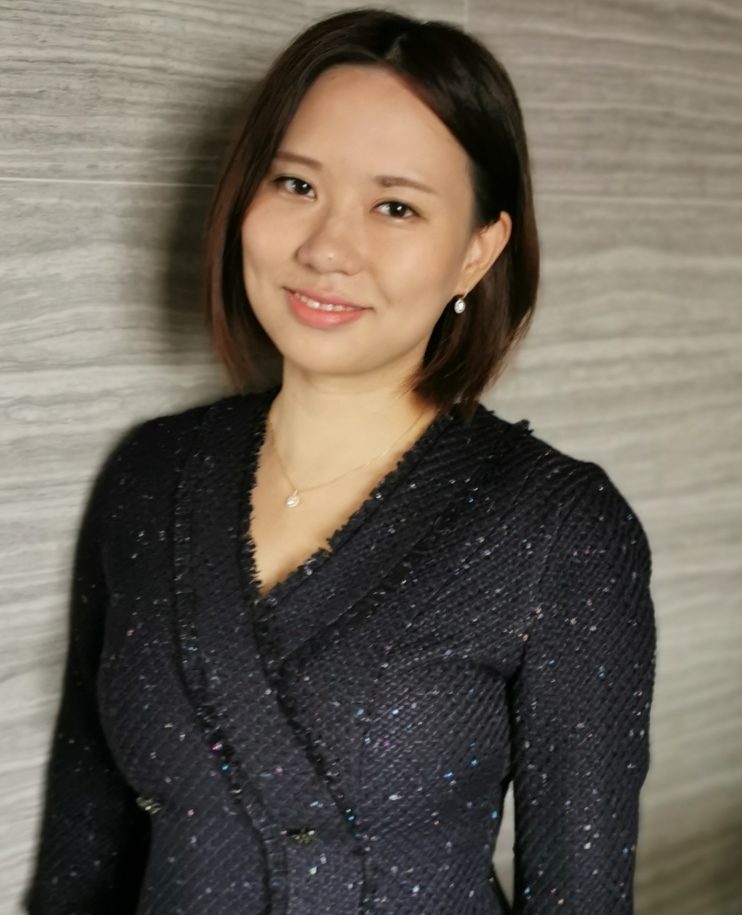
Prof Zhu Yan
Advancing innovation through university-industry collaboration
Innovation in teaching is one defining feature of the transitional site’s development. Equally significant is the strengthening of research infrastructure and the growth of an industry-facing ecosystem. The site is more than a teaching venue; it serves as a platform connecting academia and industry, and as a space where new ideas can be tested and brought closer to real-world application.
Improved facilities have reinforced the foundation for research. Yang Shiyuan, a doctoral student in electromechanical engineering in FST, studies heterogeneous multi-robot systems. Previously, space limitations made it difficult to deploy multiple robots simultaneously for complex interaction experiments. In Hengqin, however, the larger, low-interference environment allows him to conduct multi-robot coordination and precision debugging more efficiently. The enhanced workspace has noticeably shortened his algorithm testing and verification cycle.

Yang Shiyuan conducts research in the Joint Laboratory of Artificial Intelligence and Robotics
Reliable infrastructure is equally important. ‘The stable power supply and high-speed research network in Hengqin are essential for our frequent use of high-performance graphics cards for deep learning training,’ Yang explains. He also highlights the responsiveness of the on-site technical and logistical support, which provides dependable backing for intensive research activities.
Beyond hardware improvements, a more profound shift is taking place through the development of a growing industrial ecosystem. Thanks to the site’s location and convenient cross-border access, faculty and students can collaborate more closely not only with colleagues on the main campus but also with enterprises across the Greater Bay Area. This proximity does more than reduce travel time—it encourages a more responsive model of cooperation. Companies bring forward practical, market-driven challenges, while researchers apply academic expertise to develop solutions. The result is faster technology transfer and a more integrated model of university-industry collaboration.

A computer laboratory at the transitional site
Prof Zhu notes that the integrated circuit sector in the Cooperation Zone is currently experiencing rapid growth. In response, IME has intensified efforts to connect fundamental research with key industrial technologies. Initiatives such as the UM Microelectronics Industry Alliance Programme and the Hengqin Integrated Circuit Talent Training Base create structured pathways for internships and employment, aligning research outcomes, talent development, and industry needs more closely.
Leveraging the advantages of the transitional site’s location, IME promotes collaboration between universities and enterprises on three levels. First, through the Guangdong-Macao joint laboratory, it maintains regular exchanges with Hengqin-based companies, enabling closer integration of expertise and resources. Second, through the Industry Alliance Programme, it adopts a model in which enterprises present practical challenges and faculty and students work together to address them, ensuring that research remains relevant to real-world applications. Third, through the Integrated Circuit Talent Training Base, IME offers vocational training courses and workshops that bring industry engineers into the classroom while giving students opportunities to observe production environments firsthand. This two-way exchange strengthens mutual understanding and helps accelerate the translation of research into practical outcomes.
From transition to transformation
Those who were among the first to move to the transitional site in Hengqin can be regarded as pioneers in UM’s deepening integration with the Greater Bay Area. Arriving with curiosity and determination, they quickly adapted to new routines and embraced the opportunities the site offers for teaching, learning, and research. Along the way, they have witnessed plans translated into practice and ideas refined through experience. From academics in the classroom to administrative staff working behind the scenes, each has played a role in building this community. Through shared effort and collaboration, what began as a transitional arrangement has developed into a confident and dynamic academic space—firmly established and continuing to evolve.
Video
Chinese Text: U Wai Ip, Senior UM Reporter Deng Liyu, Qiu Zichen, Tang Chenyimin
Chinese Editor: Gigi Fan
English Translation: Bess Che
Photo provided by the interviewees
Source: My UM Issue 152