The UM equation for new faculty integration
As 2026 begins, scholars from around the world at the University of Macau (UM) are setting ambitious new goals in teaching and research. Achieving these goals, however, depends in large part on how well new faculty members are supported as they settle into the university. Beyond strong infrastructure and a solid reputation, universities need practical and comprehensive support systems that enable scholars to integrate quickly and focus on their work. Three scholars who joined UM in recent years—Xu Jun, head of the Department of Sociology in the Faculty of Social Sciences; Ji Jianguang, professor in the Faculty of Health Sciences (FHS); and Benjamin Winokur, assistant professor in the Department of Philosophy and Religious Studies in the Faculty of Arts and Humanities—share their experiences with UM’s support mechanisms and reflect on their growth since joining the university.
Teaching support: Turning pedagogical theory into classroom practice
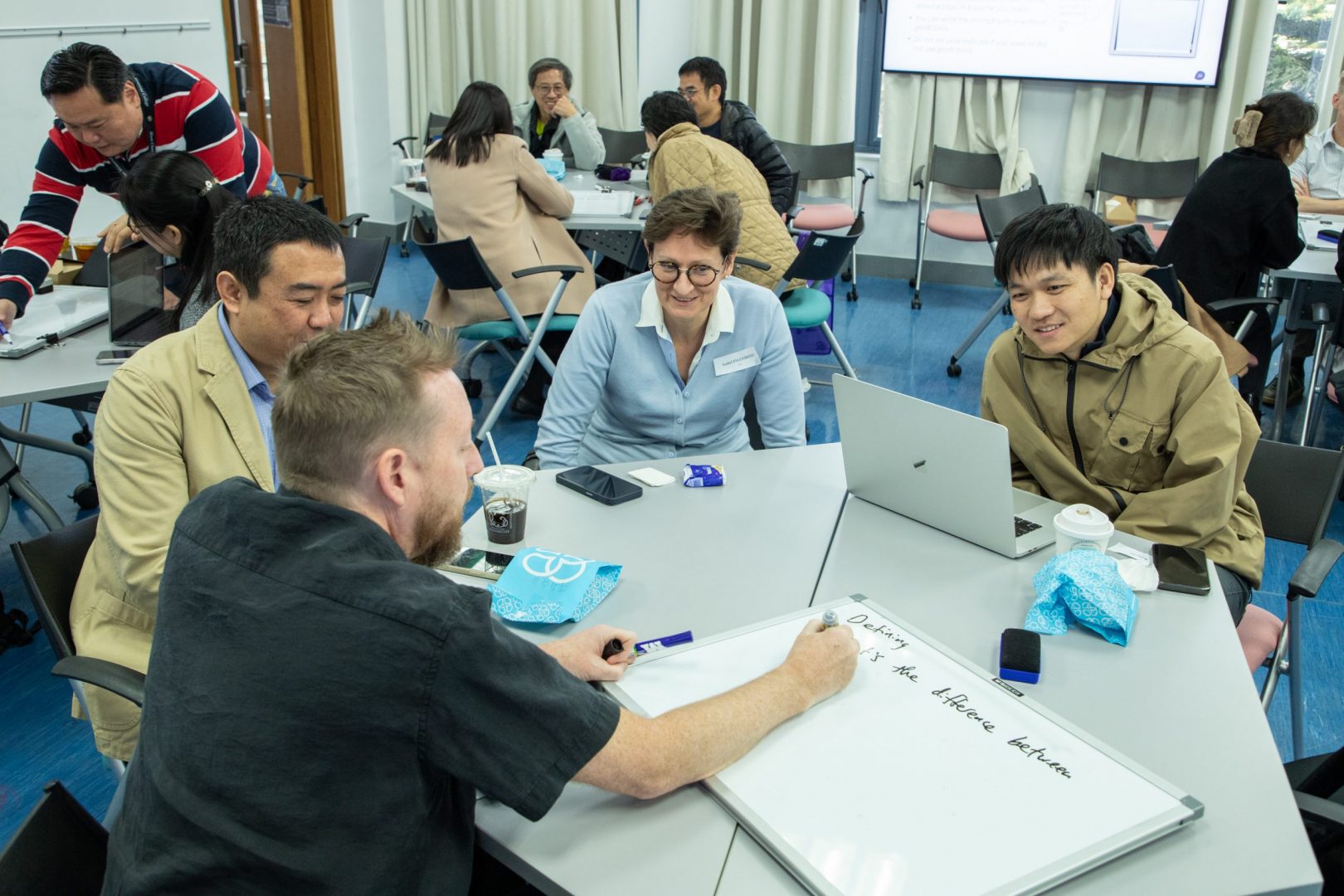
For new faculty members, adapting to a new teaching environment and academic culture is often a top priority. To support this transition, the Centre for Teaching and Learning Enhancement (CTLE) at UM provides comprehensive practical assistance. Serving not only as an academic support unit but also as a long-term partner in faculty development, CTLE offers regular workshops, teaching consultations, and a wide range of online resources. Through these initiatives, faculty members gain a better understanding of the learning styles and characteristics of local students, refine their course designs, and explore innovative teaching approaches.
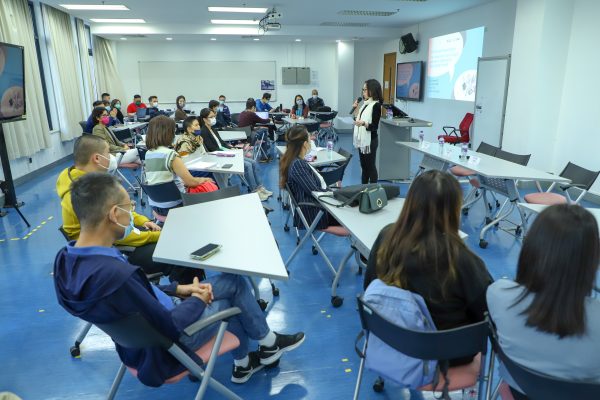
The Centre for Teaching and Learning Enhancement at UM organises workshops for faculty members
With extensive teaching experience in the US, Prof Xu Jun joined UM in 2024 as head of the Department of Sociology. As he transitioned into this new academic setting, he actively participated in CTLE programmes. Prof Xu notes that CTLE’s workshops provided him with a clear and practical introduction to UM’s teaching framework and students’ expectations. ‘From course syllabus design and grading standards to the use of teaching platforms such as UM Moodle, CTLE has provided clear and timely guidance at every step,’ he says. ‘This support has allowed me to focus on teaching itself and building stronger connections with students, rather than spending time navigating administrative procedures.’
Prof Xu adds that, beyond his deep emotional ties to his homeland China, he was drawn back to Asia by UM’s clear educational vision and the strong commitment of Rector Yonghua Song to leading the university towards excellence. He highlights UM’s emphasis on talent cultivation, the commitment to high-quality teaching and research, and the genuine care for student development—all of which align closely with his own educational philosophy of inspiring students to think deeply through research while unlocking their potential through teaching. Reflecting on his role as department head, he says, ‘I am standing on the shoulders of previous heads of the Department of Sociology, and I am deeply proud of their efforts in building the department to its current scale. During my time here, my goal is to bring colleagues together and lead the department into the top tier of sociology departments in East Asia.’ He adds that CTLE shares this broader goal of enhancing overall teaching quality across the university.
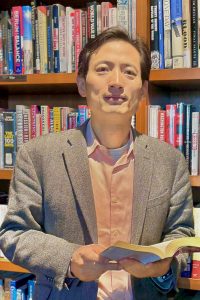
Prof Xu Jun
Originally from Canada, Prof Benjamin Winokur joined UM’s Department of Philosophy and Religious Studies in 2023. With strong support from CTLE, he quickly adapted to teaching at UM. By attending workshops on active learning, course design, and teaching portfolios, he gained practical frameworks and methods that he applied almost immediately in the classroom. ‘The resources and workshops offered by CTLE have been incredibly valuable for my course planning and day-to-day teaching,’ Prof Winokur says. ‘They have given me much greater confidence in adjusting to the teaching environment here at UM.’ He also values the cross-faculty exchange activities organised by CTLE, which have enabled him to connect with colleagues from other disciplines, share teaching experiences and challenges, and build a strong, supportive professional network across the university.
As a philosopher, Prof Winokur places particular emphasis on fostering students’ independent and critical thinking skills. ‘At the heart of philosophy education is the cultivation of critical thinking and rigorous argumentation. Students need to engage deeply with classic texts and foundational questions, rather than relying on tools that shortcut the thinking process,’ he explains. He adds that the diverse resources and open forums on innovative teaching provided by CTLE have allowed faculty members to tailor their approaches to the specific demands of philosophy, with a strong focus on dialogue, careful analysis, and sustained argumentation. Given that most students in his classes are non-native English speakers, Prof Winokur devotes considerable effort to explaining complex philosophical concepts and terminology in clear, accessible language, reducing language barriers while preserving the depth and precision of the ideas.
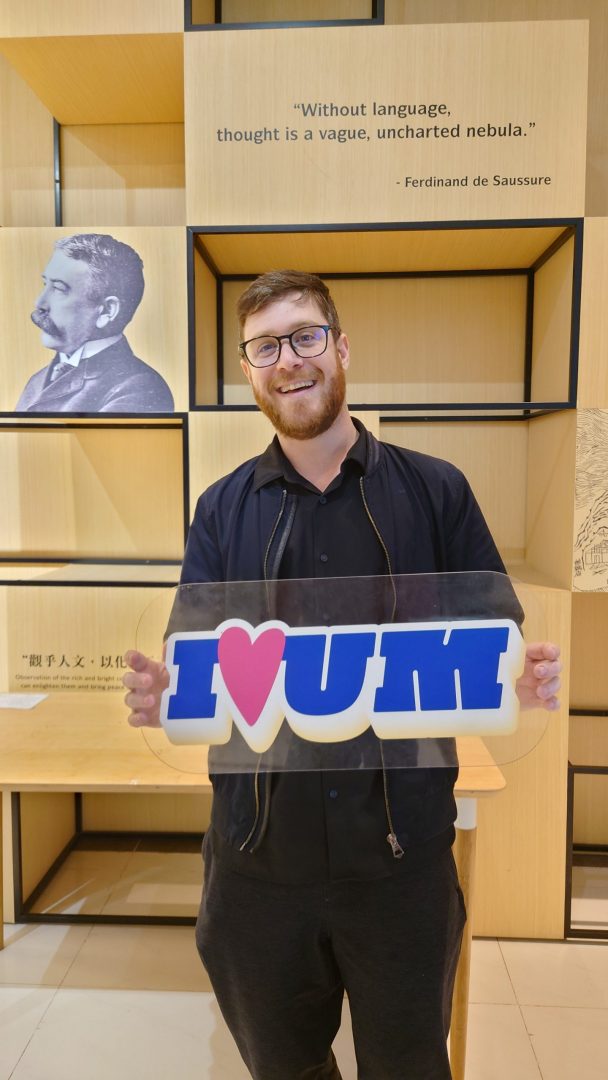
Prof Benjamin Winokur
Research support: From resources to collaborative academic networks
For new faculty members, the ability to launch and advance research projects is crucial to their professional development. At UM, this is supported through dedicated units such as the Research Services and Knowledge Transfer Office (RSKTO), which provides comprehensive assistance at every stage of the research process—from grant applications and team building to funding management and interdisciplinary collaboration. This all-round support enables scholars to efficiently translate research ideas into tangible results and meaningful impact.
Prof Ji Jianguang, a specialist in cancer epidemiology who joined UM FHS in November 2024, speaks highly of the research support he has received at UM. He notes that the university’s commitment to his work was evident from the outset, particularly in the human resources allocated to his project. ‘The university assigned six PhD students, three postdoctoral researchers, and one research assistant to my research team,’ he says. With a PhD from Heidelberg University in Germany and 20 years of teaching and research experience at Lund University in Sweden, Prof Ji observes that a team of this size and structure is rare at comparable European institutions. This level of support has allowed him to quickly advance his research plans from conception to implementation and to pursue his research programme in a systematic and sustained manner. In addition, FHS has fostered a highly efficient and collaborative research ecosystem. Prof Ji explains, ‘Our team focuses on disease prevention and diagnostic biomarkers, while colleagues within the faculty specialise in the subsequent stages, such as experimental validation and compound design. This smooth internal collaboration chain, built around the faculty’s disciplinary strengths, connects every major step—from theoretical hypotheses through to experimental validation—making the entire research process faster and more effective.’
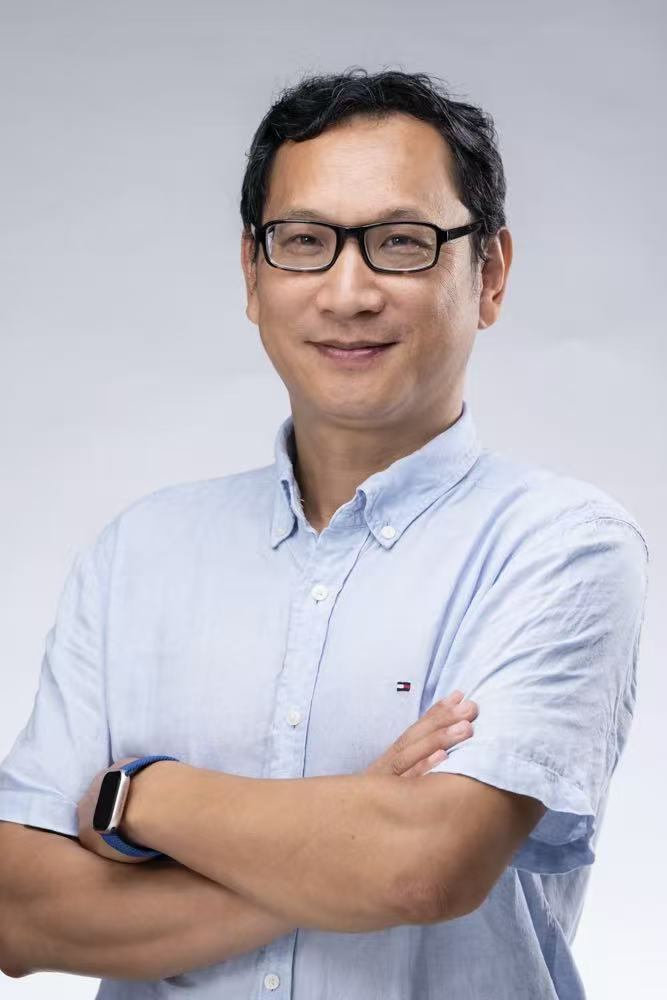
Prof Ji Jianguang
This comprehensive support system—combining resources, collaboration, and shared expertise—has enabled Prof Ji’s research to gain momentum and produce promising early results. His team’s work on fracture risk in osteoporosis, which draws on large-scale data from the UK Biobank to develop predictive and preventive models, has achieved significant breakthroughs within a short period. Their findings have been published in the leading international journal BMC Medicine, providing important empirical evidence to support precision prevention strategies in the field.
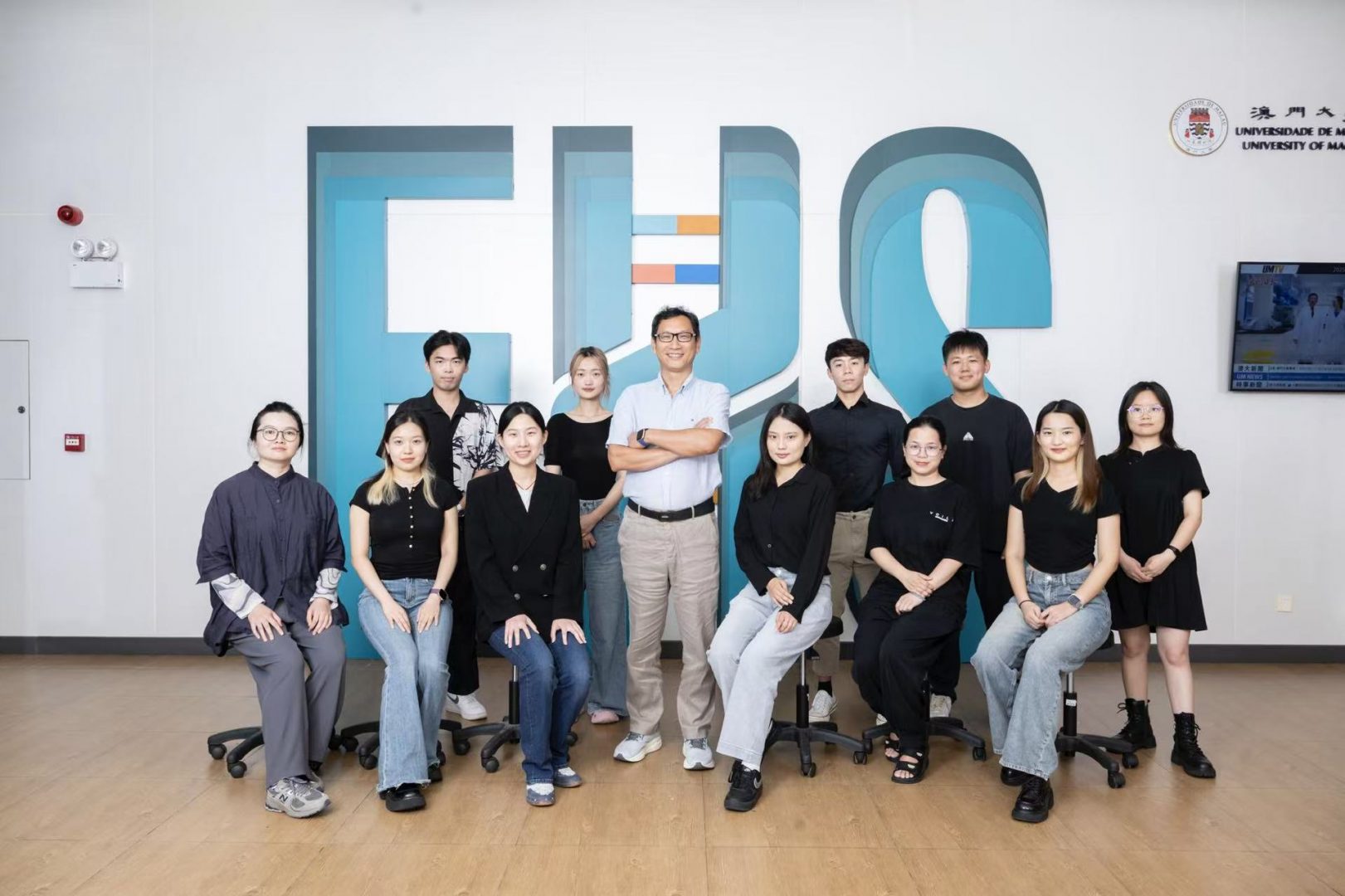
Prof Ji Jianguang and members of his research team
For faculty members in the humanities, research support extends beyond material resources to the cultivation of a vibrant academic environment that encourages intellectual exchange. Prof Winokur, in particular, values the inclusive scholarly culture of the Department of Philosophy and Religious Studies. ‘The department offers both analytic and continental philosophy, deeply rooted in Western thought, as well as a deeply rooted foundation in Chinese and comparative East-West philosophy,’ he notes. ‘This diverse academic landscape allows me to explore philosophical questions from a global perspective—for example, by examining how concepts such as “self” or “ethics” resonate or differ across traditions.’ In addition, the regular workshops organised by RSKTO on grant applications, together with its clear guidance on research ethics, have helped him plan and advance his research projects in a systematic manner.
Social and life support: Building a strong sense of belonging
In addition to teaching and research support, UM’s collegial atmosphere and Macao’s pleasant living environment provide an important intangible foundation that helps new faculty members settle in smoothly and develop a strong sense of belonging to the university.
Prof Xu vividly recalls the support he received upon arriving in Macao. Before joining UM, he had spent more than two decades teaching and conducting research in computational social science and data science at Ball State University in the US. Shortly after his arrival on a summer weekend in 2024, he encountered several practical challenges: campus banks were closed, dining options were limited during the summer break, and he was unfamiliar with local electronic payment systems. ‘Fortunately, my colleagues were incredibly supportive and kind,’ Prof Xu recalls. ‘They not only picked me up from the airport, but also drove me into the city to help me take care of daily necessities, patiently showed me around, and quickly helped me resolve many everyday issues.’ This immediate assistance made him feel genuinely welcomed and at home in the faculty from the very beginning.
Guidance and advice from colleagues are equally important in helping newcomers adapt to a new academic and administrative environment. Prof Ji expresses his gratitude to colleagues in FHS, including Prof Zhang Xuanjun, who shared valuable insights into department coordination, student supervision, and local academic culture. ‘Their advice helped me avoid many unnecessary mistakes,’ Prof Ji says, ‘and allowed me to focus more quickly on my core responsibilities in teaching and research.’
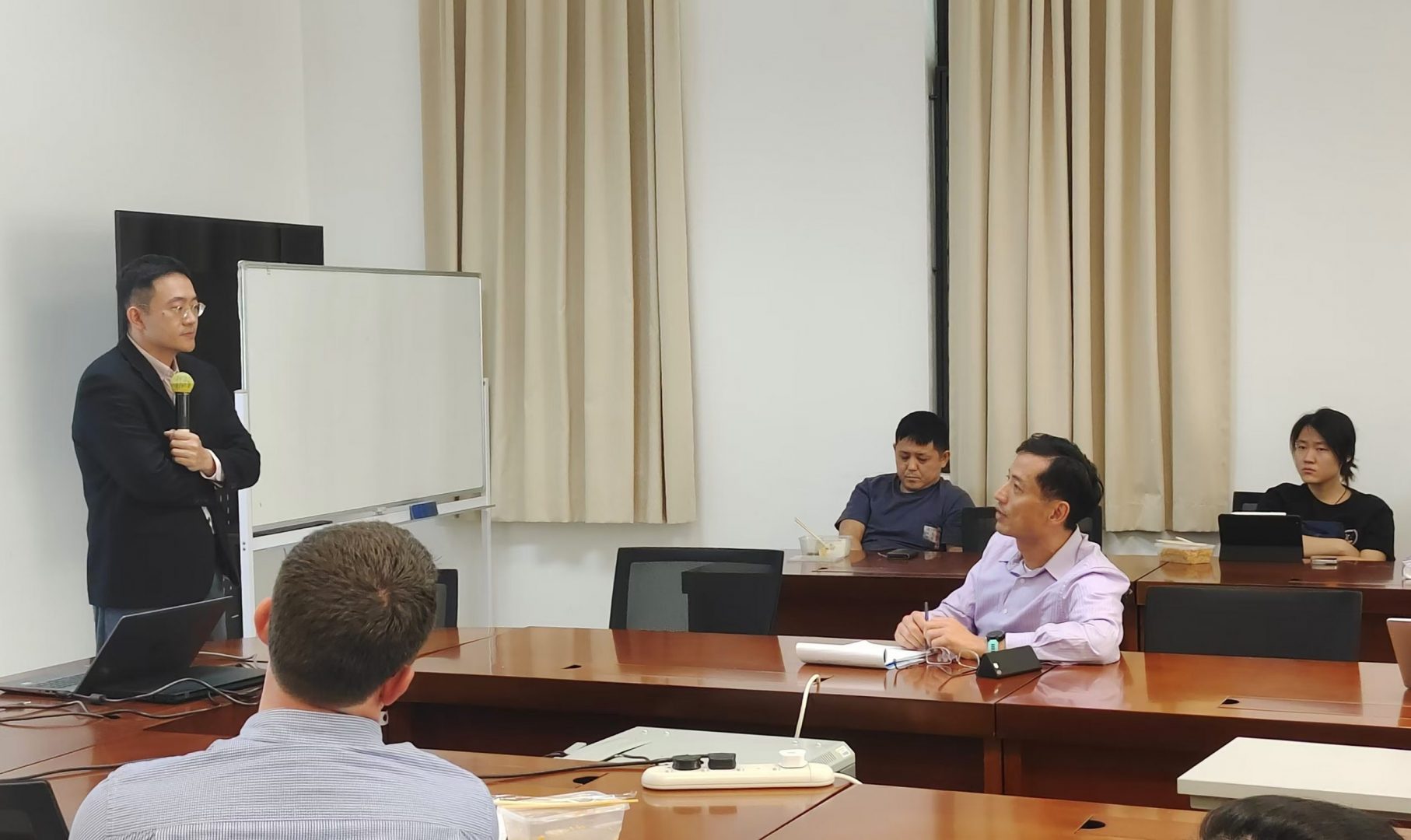
Prof Xu Jun makes a smooth transition into his new academic role at UM
All three professors also agree that Macao’s distinctive urban environment provides an excellent setting for academic life. Comparing it with his experience living in several European countries, Prof Ji notes, ‘Macao offers a safe, convenient, peaceful, and culturally rich living environment. Overall, settling my family and conducting research here has been smooth and comfortable.’ Prof Winokur shares a similar perspective, saying, ‘Macao’s comfortable setting and moderate pace of life helped me settle in quickly and focus on my teaching and research. The blend of Eastern and Western cultures also provides a rich backdrop for my philosophical reflections.’
Comprehensive support: Fostering mutual growth and long-term success
Adapting to a new academic environment inevitably presents challenges for new faculty members. Through a robust system of teaching and research support, a caring collegial culture, and Macao’s comfortable living environment, UM has turned these challenges into opportunities for growth. This support is far from abstract; it is reflected in everyday practices—from course design and grant applications to building research teams and receiving timely guidance from colleagues. Together, these forms of practical collaboration help scholars from around the world settle in quickly, remain focused on teaching and research, and thrive at UM. Ultimately, this comprehensive support enables faculty members to pursue their own academic ambitions while contributing to the university’s long-term vision of excellence and sustainable development.
Chinese Text: U Wai Ip
Chinese Editor: Gigi Fan
English Translation: Gloria Kuok, Bess Che
Photo: Editorial Board, with some provided by the interviewees and CTLE
Source: My UM Issue 150