
Ip Kin Hong: Preserving Macao World Heritage through research

The weathering of sandstone and the gradual peeling of rammed earth leave visible scars on historic buildings—quiet reminders of time’s passage. For Ip Kin Hong, these scars are not signs of inevitable decline but challenges to be understood and carefully addressed. A research assistant professor in the State Key Laboratory of Internet of Things for Smart City (SKL-IOTSC) at the University of Macau (UM), and a core member of the Centre for the Preservation and Transmission of the Cultural Heritage of the Palace Museum in Macao, Prof Ip has devoted the past two decades to safeguarding the city’s architectural heritage. She has participated in the restoration of most of Macao’s World Heritage sites, applying materials science to develop precise, evidence-based approaches that complement traditional craftsmanship. From laboratory analysis to on-site conservation, she adheres to internationally recognised principles of heritage preservation, working to ensure that Macao’s historic structures endure for generations to come.
Diagnosing World Heritage sites through materials science
Inside Prof Ip’s cultural heritage conservation laboratory, rows of carefully arranged instruments line the benches, giving the space the atmosphere of a clinic for historic buildings. ‘Restoring cultural relics is like diagnosing a patient,’ Prof Ip says. ‘You first identify the problem, then prescribe the right remedy. Only after that can treatment begin.’
One of the few specialists in Macao dedicated to architectural heritage conservation, Prof Ip served for many years as a building conservator at the Cultural Affairs Bureau. Over the past two decades, her role has evolved from hands-on restoration work to academic research. Her projects have taken her from church façades to temple beams, conducting on-site investigations, collecting samples, and analysing materials in the laboratory. Rather than relying on assumptions, she uses scientific evidence to determine the causes of deterioration before selecting appropriate restoration methods. In her work, science and craftsmanship are not separate disciplines but complementary forces.
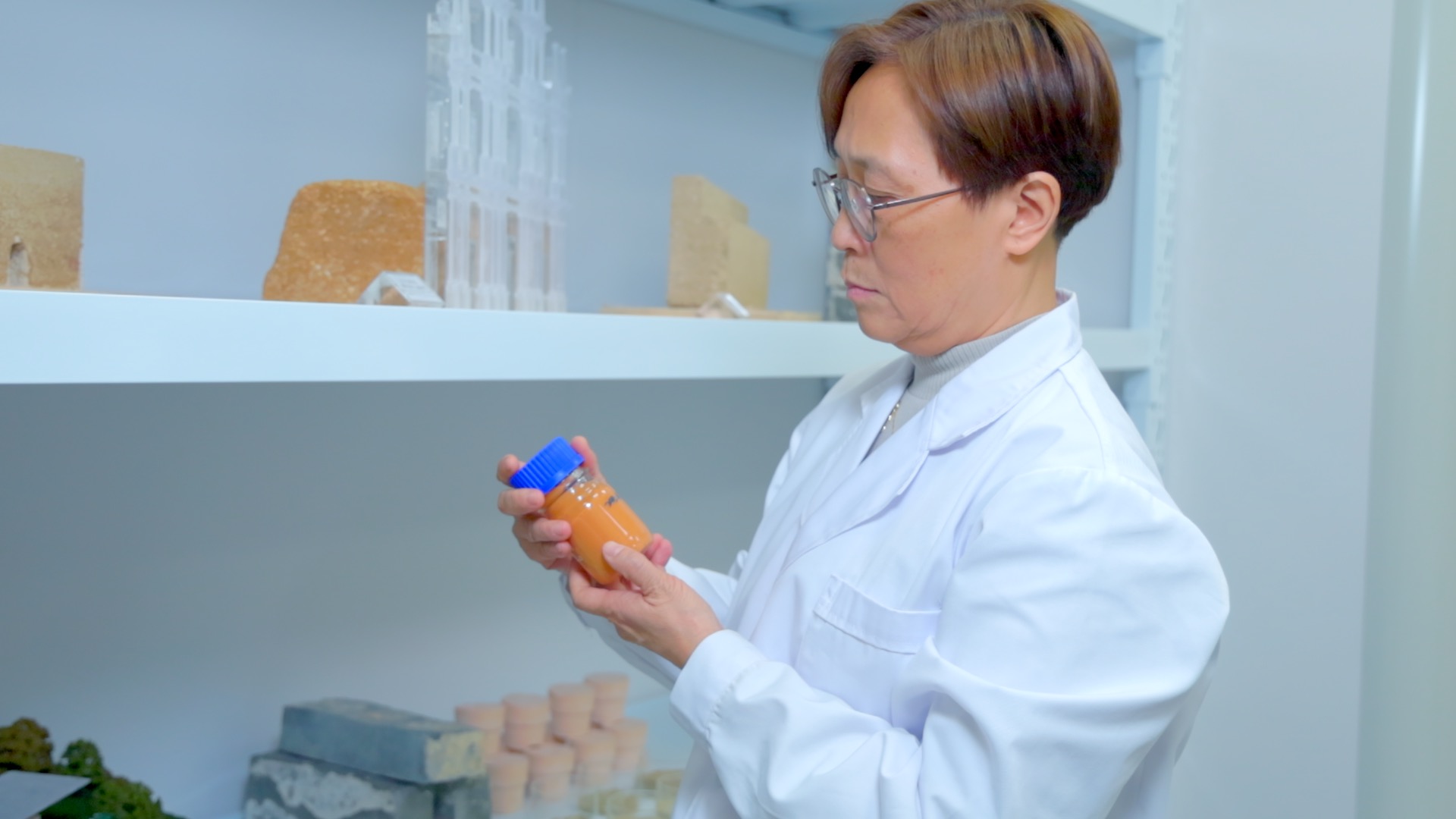
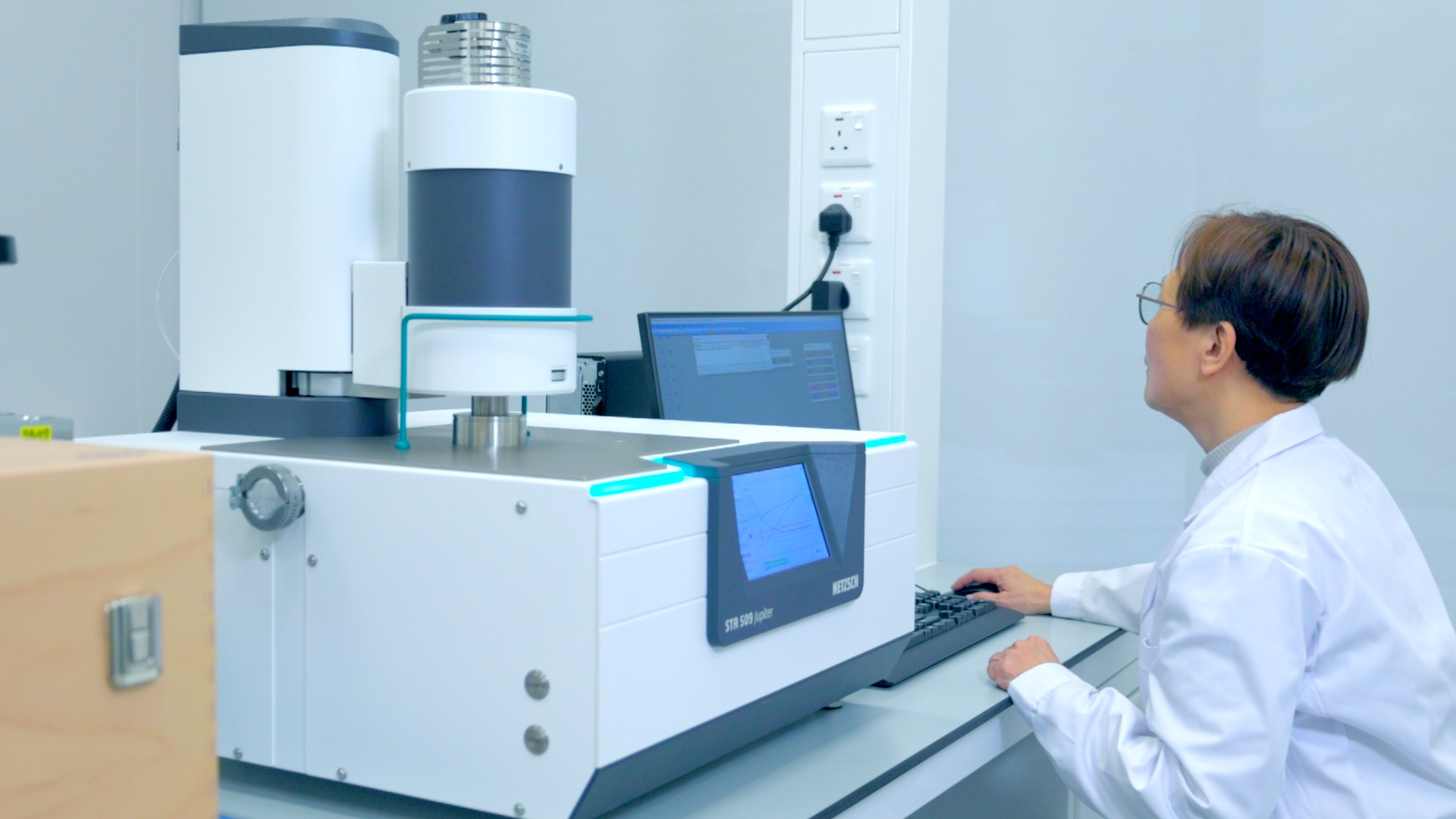
Prof Ip is as a member of the Heritage Conservation Team at the Centre for the Preservation and Transmission of the Cultural Heritage of the Palace Museum in Macao
In 2024, Prof Ip joined UM. That same year, UM signed a cooperation agreement with the Cultural Affairs Bureau to establish an interdisciplinary team based at SKL-IOTSC. The team’s goal is to develop science-based conservation strategies for Macao’s World Heritage sites. As a core member of the team, Prof Ip uses advanced materials analysis and non-destructive testing technologies to support restoration projects. UM’s commitment to interdisciplinary collaboration has also enabled her to work closely with experts in engineering and the Internet of Things, further enhancing the precision and effectiveness of conservation efforts.
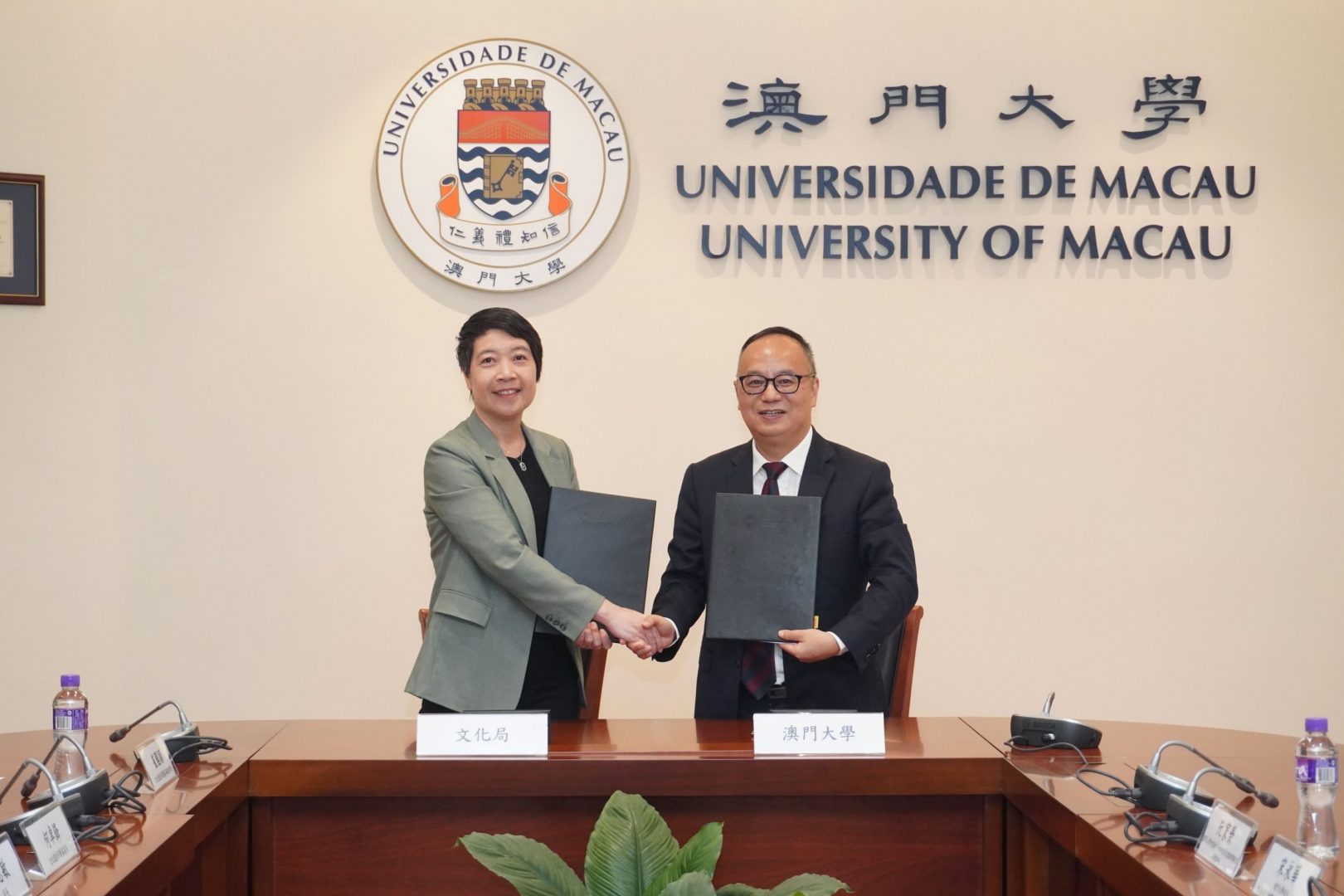
UM and the Cultural Affairs Bureau sign a cooperation agreement to develop science-based conservation strategies for Macao’s World Heritage sites
The establishment in 2024 of the Centre for the Preservation and Transmission of the Cultural Heritage of the Palace Museum in Macao marked a new phase in her involvement in major restoration initiatives. Yet her commitment to heritage preservation is rooted in something more personal. ‘When I visited the Ruins of St Paul’s and A-Ma Temple as a child, I simply thought they were beautiful—like pictures,’ she recalls. ‘Only later did I realise that those bricks, tiles, wood, and stones carry the memory of Macao—and, more importantly, our roots. Cultural heritage conservation is not just my profession; it is my way of giving back to the city that raised me.’
Excellence knows no gender
Prof Ip’s path into technology-driven heritage conservation began with chemistry. In the late 1990s, she began her undergraduate studies in Applied Chemistry and Materials Science at the University of Technology Sydney. As graduation approached, she was encouraged to consider careers in pharmaceuticals, cosmetics, or food science—industries widely regarded as stable and promising. Yet after several internships, she found herself uninspired. ‘I was in the lab every day testing hundreds of samples. Each day felt exactly the same,’ she recalls. Realising that repetitive laboratory work was not the future she envisioned, she told her professor she hoped to apply her scientific knowledge to solving real-world problems.
That conversation proved pivotal. Ip’s professor introduced her to the interdisciplinary field of architectural heritage conservation. At the time, the discipline was largely dominated by architects and engineers—architects focused on design, engineers on structural performance—while few specialists brought deep expertise in materials science and chemistry. The opportunity to bridge that gap immediately resonated with Ip and ultimately shaped her career.
After graduating with first-class honours in 2001, she went on to pursue a doctoral degree in architectural heritage conservation. Even during her PhD studies, she was already working as a restoration consultant. Her first major assignment involved sandstone testing and material matching for Sydney’s Queen Victoria Building and Central Station. During field visits to stone quarries, Ip became acutely aware of the gender imbalance in the industry. Often the only woman on site, she found herself surrounded by physically imposing workers and male classmates. On one occasion, an instructor hesitated and asked, ‘Are you sure you can manage this?’
Her response was immediate: ‘No problem.’ She carried heavy stones herself, her clothes soaked with sweat, never asking for special consideration. ‘I was simply doing my job,’ she says. ‘But in cultural heritage restoration, women are just as capable as men. We can be hands-on, resilient, and just as hardworking.’
From the laboratory to an abandoned house
In 2005, after completing her studies, Prof Ip returned to Macao—the same year the Historic Centre of Macao was inscribed on the UNESCO World Heritage List. As the city entered a new era of heritage preservation, her own professional path began to take shape. She joined the Macao Museum of Art and later the Cultural Affairs Bureau, contributing to major restoration initiatives involving the city’s World Heritage sites. Her work moved seamlessly between microscope and monument: analysing material samples in the laboratory one day, climbing scaffolding at dust-filled construction sites the next. She examined spectrometer data and monitored temperature fluctuations within ageing plaster. In this interplay between scientific analysis and historic architecture, her daily work became a quiet dialogue with the city’s past.
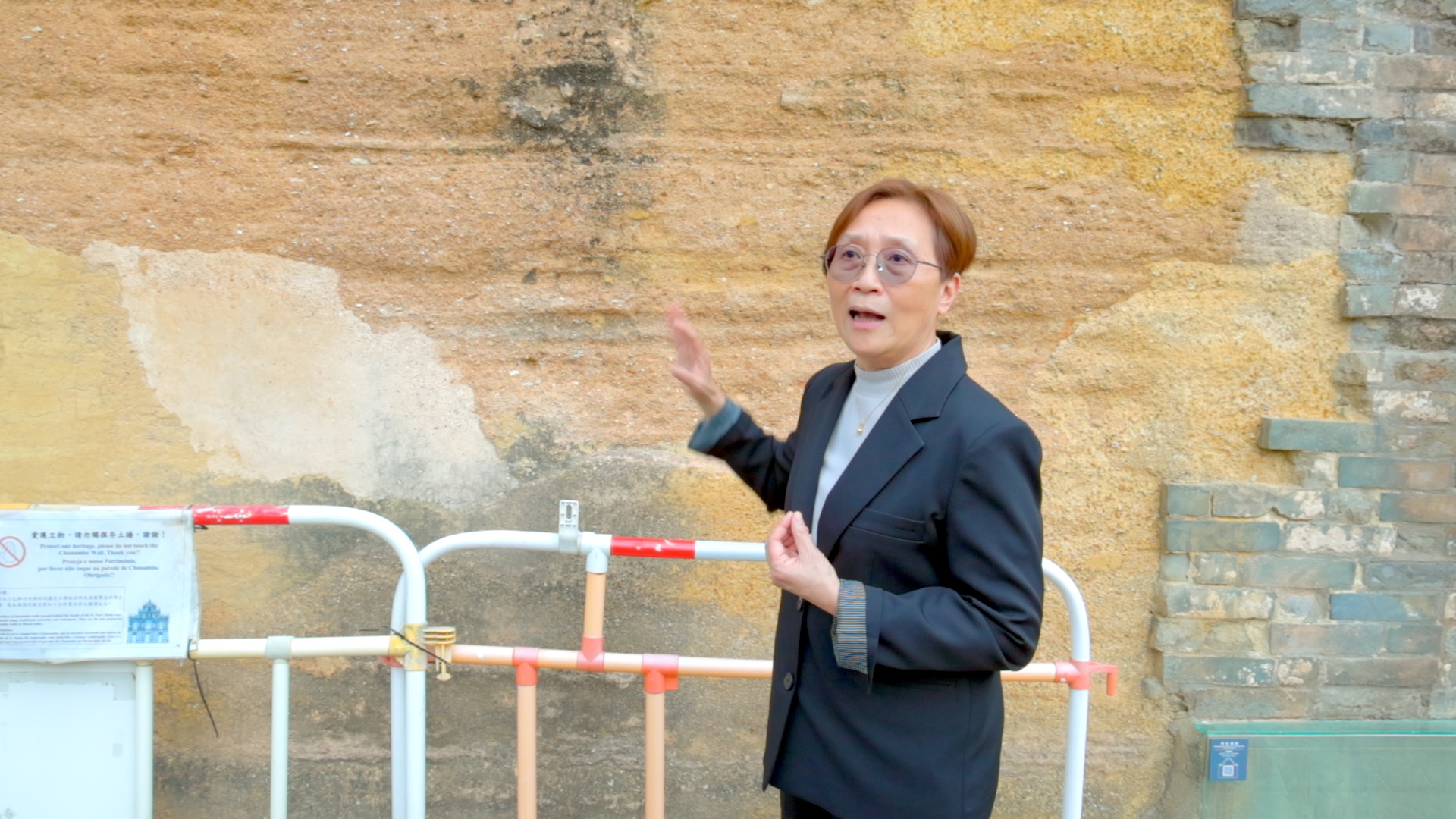
Since returning to Macao from Australia in 2005 after completing her studies, Prof Ip has been actively involved in the restoration of Macao’s World Heritage sites
After more than a decade of intensive conservation work, a new chapter began in 2017. Prof Ip relocated to Australia with her family. Yet even thousands of miles away, her thoughts often returned to Macao. Each morning, she began her day by reading news from the city, paying particular attention to developments in heritage conservation. In 2020, when the opportunity arose to return to Macao, she did not hesitate. She accepted an invitation to rejoin the restoration team and immediately became involved in the conservation of the bronze statue at the Ruins of St. Paul’s—one of the many significant projects she has undertaken.
Reflecting on the project, Prof Ip explains, ‘During my earlier time at the Cultural Affairs Bureau, I worked on restoring two of the four bronze statues on the lower tier of the façade,’ she recalls. ‘The project was interrupted by the pandemic, and when work resumed, it proceeded in carefully planned phases. The first phase focused on the statue of the Virgin Mary and has been completed. The second phase, which began in October 2025, involved the four saints on the lower tier and the statue of the Christ Child above. That phase has now also been completed.’
The phased approach was not intended to accelerate the timeline, but to ensure that each statue received individual assessment and treatment. The prolonged pause during the pandemic meant that environmental exposure—and possible material changes over time—had to be carefully reassessed before work resumed. The process underscored a core principle of conservation: scientific restoration demands patience, reassessment, and precision.
Yet the project that left the deepest mark on Prof Ip was not the Ruins of St Paul’s, but an abandoned building—the Former Chong Sai Pharmacy. Early in her career, Prof Ip was assigned to restore the long-vacant structure. Inside, sewage had backed up. Mosquitoes swarmed in thick clouds. The remains of rats and stray cats lay scattered across the floor. It was a scene of severe neglect. On her first visit, Prof Ip wore only a T-shirt and jeans, unprepared for the conditions she would encounter. By the time she left, her waist was covered in painful flea bites—red and swollen—and she sought medical treatment immediately.
Experiences like these have prompted a recurring question: is the work too physically demanding for a woman? Prof Ip has never entertained that doubt. ‘You can only truly understand materials by seeing and touching them yourself on site,’ she says. ‘In that respect, there is no difference between men and women.’
Prof Ip’s mother once joked that restoring cultural heritage is like childbirth: the process is exhausting and painful, but once it is over, the hardship fades—and before long, you find yourself ready to begin again. Prof Ip smiles at the comparison, saying that in many ways, each completed restoration feels exactly like that.
The twofold challenges of restoration
Restoring Macao’s historic buildings requires more than careful inspection of cracks and surfaces. The city’s climate and its distinctive fusion of Chinese and Western architectural traditions create challenges rarely found elsewhere.
‘Materials naturally weather over time,’ Prof Ip explains. ‘But in Macao, that process is intensified. Summers are hot and humid, often accompanied by frequent typhoons. Winters are milder but much drier. This constant alternation between wet and dry conditions—combined with strong coastal winds—subjects buildings to repeated stress.’
She adds, ‘In northern regions, climatic patterns tend to be more stable, allowing materials to adjust gradually. In contrast, in southern coastal environments like Macao, materials have little time to stabilise before conditions shift again. Seawater intrusion introduces salts into walls and foundations. When the weather turns dry, these salts crystallise; when humidity rises, they dissolve. This ongoing cycle of crystallisation and dissolution accelerates internal deterioration. As a result, buildings here tend to deteriorate much faster than those in the north, making conservation significantly more complex.’
Climate, however, is only part of the challenge. Macao’s historic architecture reflects centuries of cultural exchange. Few buildings are purely Chinese or purely Western in style; most embody a careful blending of both traditions. ‘In more than twenty years of conservation work in Macao, I have never encountered a building that is entirely Chinese or entirely Western,’ Prof Ip says. She cites St Dominic’s Church as an example. ‘From the outside, it resembles a traditional Portuguese church. But inside, you find a gilded wooden roof structure and blue brick walls—blue bricks are rarely used in churches elsewhere. The building also incorporates rammed earth walls and stucco decorative mouldings.’
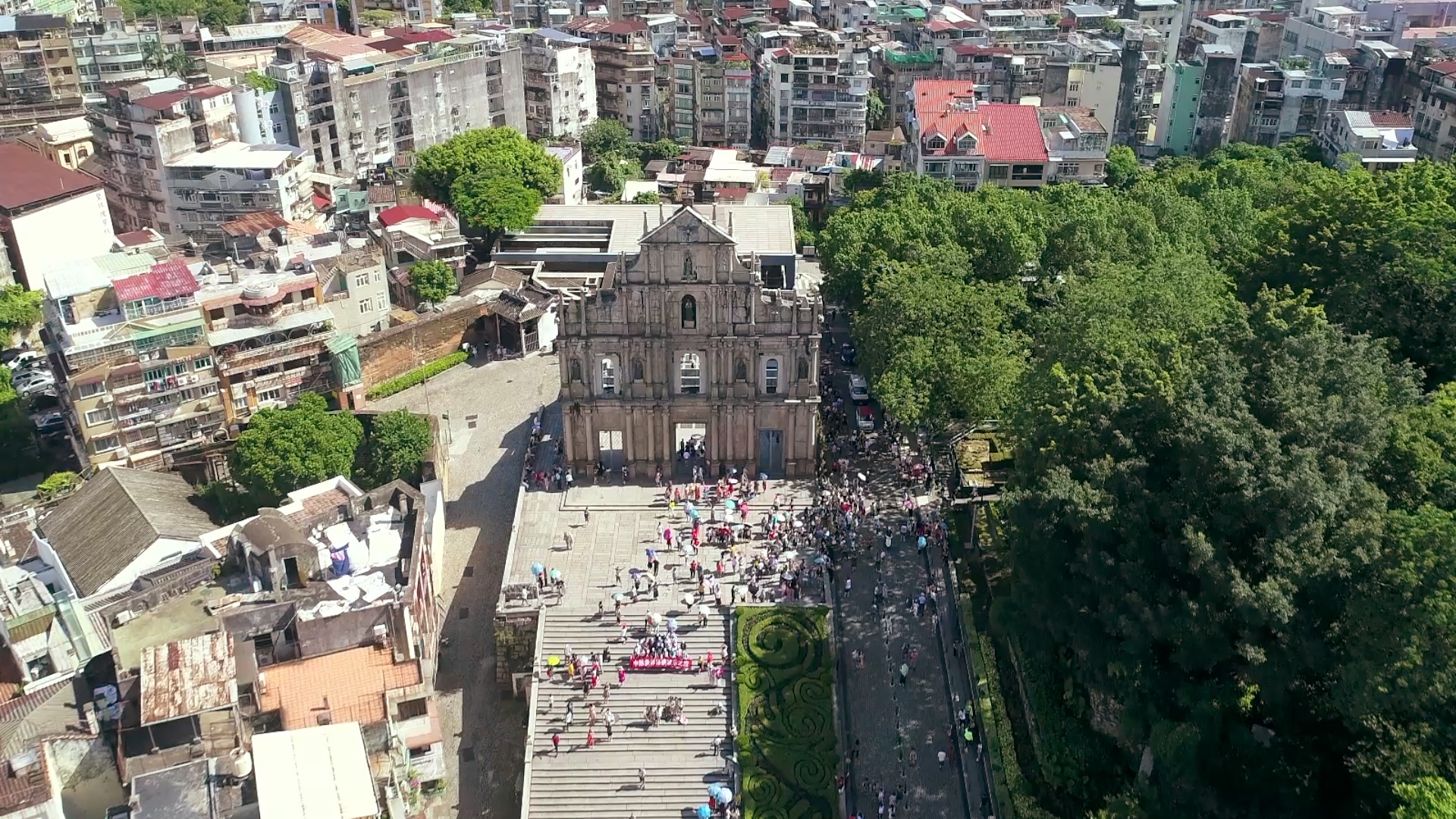
According to Prof Ip, traces of rammed earth can be found throughout the former city walls and alleys of Macao
Western decorative mouldings are typically cast and attached to column surfaces, she explains. At St Dominic’s Church, however, while the decorative style reflects Western influence, the construction techniques draw heavily on Chinese craftsmanship. The methods differ, yet the overall effect remains harmonious. This hybrid character demands careful judgement during restoration. ‘We must respect Western design principles while preserving the traditional Chinese materials and techniques that give the building its authenticity,’ she says.
Material challenges in heritage conservation
When asked which material poses the greatest challenge, Prof Ip answers without hesitation: rammed earth. ‘Rammed earth is one of the earliest building materials used by humankind,’ she explains. ‘It undergoes minimal chemical transformation and, unlike brick, it isn’t fired. Building with rammed earth is a bit like making Macanese almond cookies—you take soil and compact it layer by layer to form a solid wall.’ In Macao’s unforgiving climate—marked by heavy rains, flooding, typhoons, and even acid rain—such walls are particularly vulnerable.
‘Fortunately, rammed earth can absorb and release moisture relatively quickly,’ she says. ‘In restoration, drainage is everything. If water enters and drains away promptly, the wall remains stable. But if moisture lingers and penetrates deep into the structure, the load-bearing capacity can drop dramatically. Collapse then becomes a real risk.’
Prof Ip’s research on rammed earth extends beyond landmark heritage sites into the narrow alleys of old neighbourhoods. In recent years, her team has identified more than twenty previously undocumented rammed earth walls concealed beneath layers of plaster. Each has been carefully sampled and recorded. By mapping these rediscovered structures onto contemporary city plans, the team hopes to gradually reconstruct Macao’s hidden historic fabric.
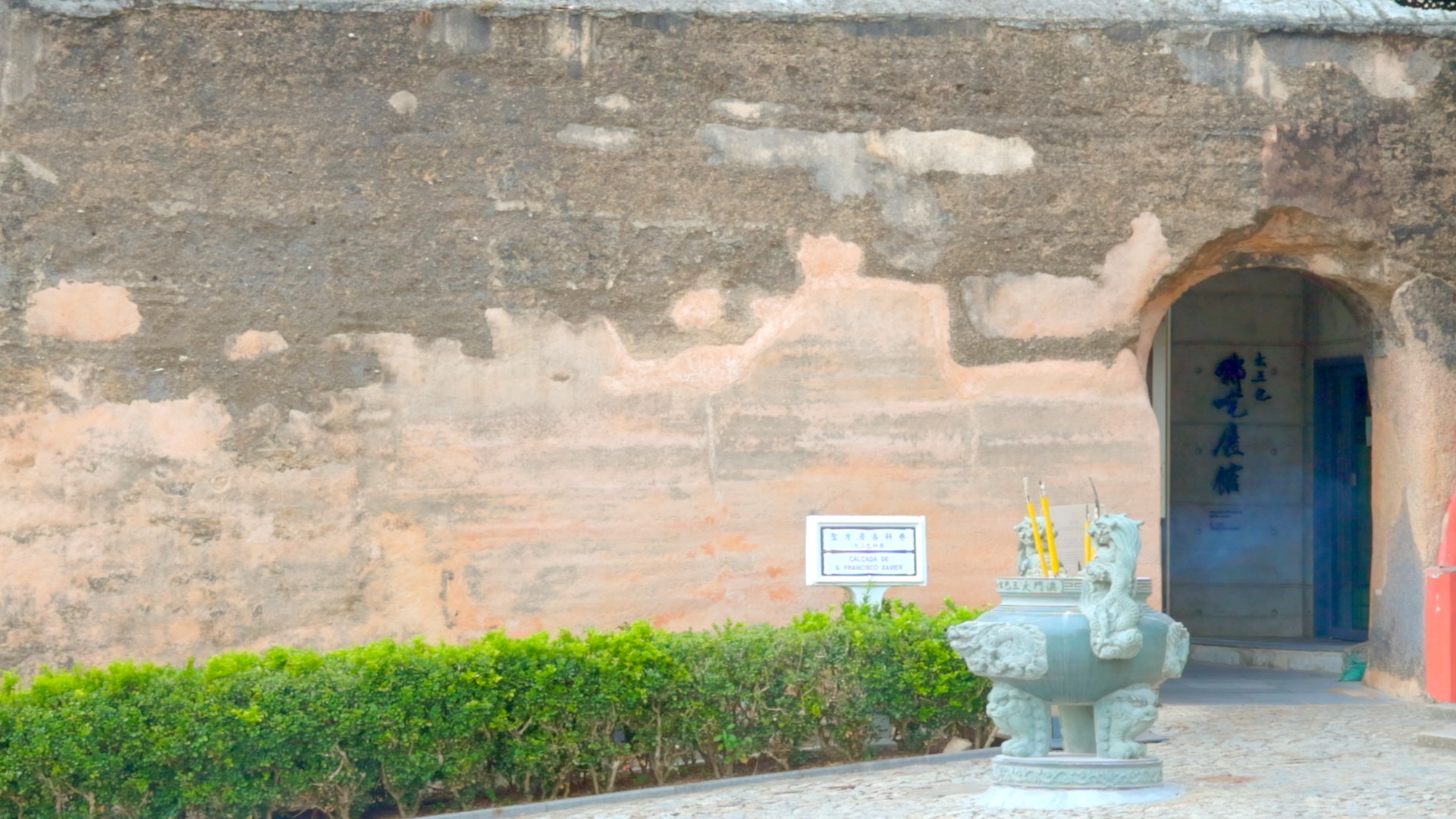
Prof Ip notes that the distinctive fusion of Chinese and Western architectural traditions in Macao’s World Heritage buildings makes conservation work particularly challenging
For Prof Ip, science is the essential diagnostic tool. ‘It’s like a doctor taking a pulse,’ she says. ‘Instead of feeling a heartbeat, we use infrared imaging to detect internal voids, analyse weathered materials, and identify the root causes of cracks.’ Based on these findings, her team develops tailored repair strategies and rigorously tests materials in the laboratory to ensure compatibility. A guiding principle is that new materials must work with old ones—not against them. In some cases, the new material is deliberately designed to weather first, shielding the historic fabric beneath. This philosophy, known as ‘sacrificial restoration’, places long-term preservation above superficial durability.
Over the years, Prof Ip has seen how well-intentioned interventions can cause unintended harm. ‘I’ve seen proposals to replace deteriorated bricks with high-strength modern ones, on the assumption that they would last for centuries,’ she says. ‘But if those bricks are impermeable, salt-laden moisture has nowhere to escape. It migrates into the surrounding historic materials and accelerates decay. In that case, restoration can become destruction.’ For that reason, she insists that no intervention should begin without comprehensive testing—including accelerated weathering trials, strength assessments, and compatibility studies. At the same time, traditional crafts such as plasterwork, wood carving, and stone carving must be entrusted to experienced master artisans.
‘The preparation phase often takes longer than the construction itself,’ Prof Ip says. ‘It’s better to move slowly than to get it wrong. In conservation, less is often more. Only when we are certain that every material and every step will protect the original structure should we proceed.’
Carrying the flame forward
‘Macao is a World Heritage city. There are still many buildings waiting to be restored,’ says Prof Ip. Two decades ago, cultural heritage conservation in Macao was a niche field few young people considered. Today, she sees a new generation stepping forward. Her team now includes postdoctoral researchers from UM’s engineering disciplines, specialising in structural assessment and non-destructive testing technologies. Together, they are committed to applying science and technology to preserve historic buildings without compromising their authenticity.
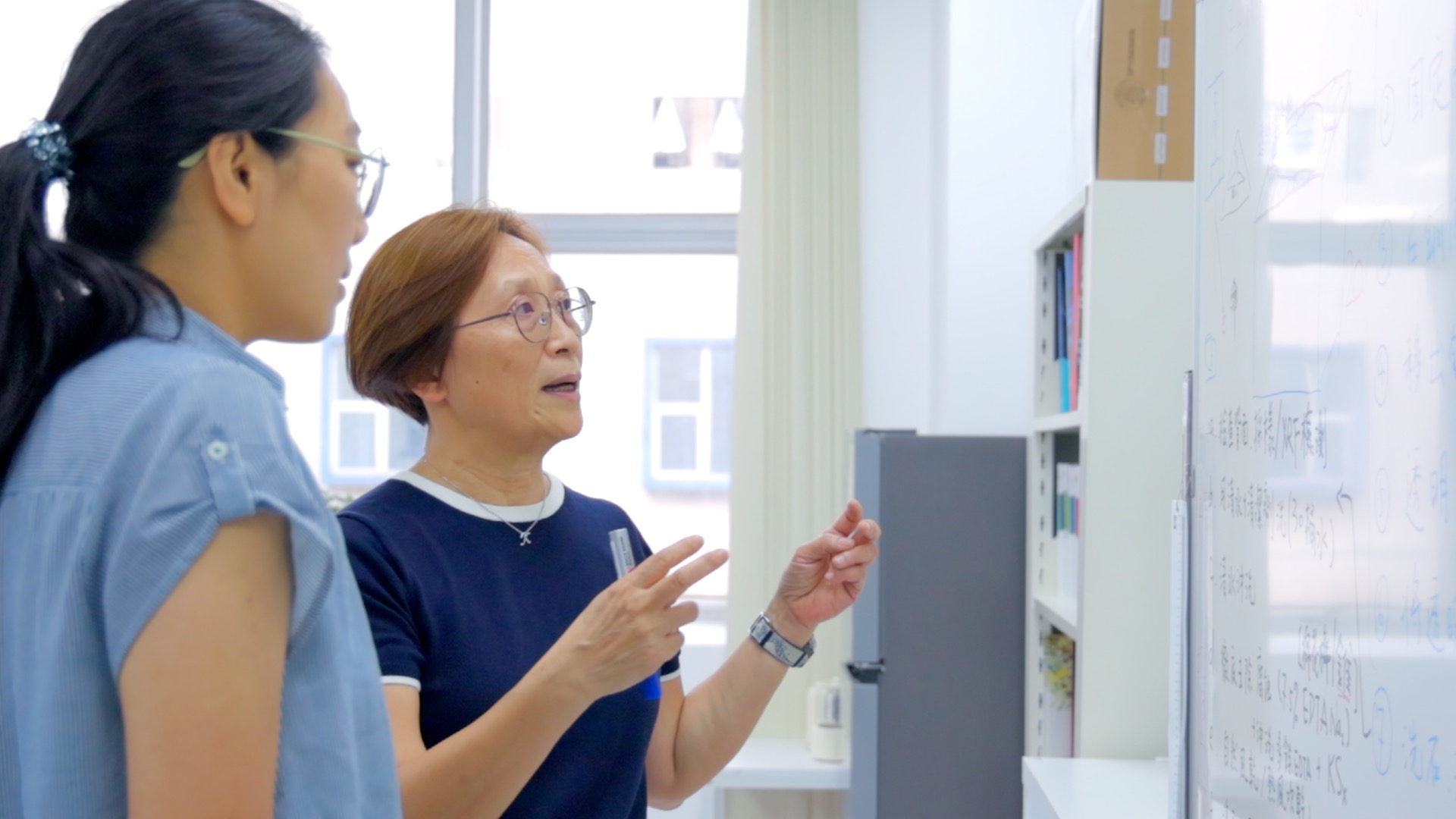
Prof Ip is committed to nurturing the next generation of cultural heritage conservation professionals
Prof Ip’s work has also gained recognition beyond Macao. In November 2025, she attended the Second General Assembly of the Alliance for Cultural Heritage in Asia, where UM serves as a co-initiating institution of the Alliance’s Scientific and Technological Committee. There, she presented a report titled ‘Protecting Macao’s Heritage: Bridging Science and Tradition’, sharing the city’s experience with experts from around the world.
For Prof Ip, the deepest satisfaction lies in the work itself. At the end of each project, she takes a moment to step back and look. Old and new meet seamlessly; damage has given way to stability. ‘I look at it and think, “I was part of bringing this back to life,”’ she says with a smile. ‘That feeling makes you forget the mosquito bites, the scorching sun, the heavy rain, the days spent working in mud. In the end, it all feels worth it.’
Profile of Prof Ip Kin Hong
Prof Ip Kin Hong is research assistant professor in the Heritage Conservation Team of the State Key Laboratory of Internet of Things for Smart City at the University of Macau. She is also a core member of the Centre for the Preservation and Transmission of the Cultural Heritage of the Palace Museum in Macao. She holds a PhD in Conservation of Architectural Heritage, as well as dual bachelor’s degrees in Applied Chemistry and in Chemistry and Materials Science, from the University of Technology Sydney. Prior to joining UM, Prof Ip served as assistant professor and director of the Heritage Conservation Laboratory in the Faculty of Humanities and Arts at the Macau University of Science and Technology, and as lecturer at the University of Technology Sydney.
With extensive hands-on experience in cultural heritage conservation, Prof Ip has served as a senior officer at the Cultural Affairs Bureau of Macao and at the Macao Museum of Art, where she was responsible for the conservation of architectural heritage and movable cultural relics. She also worked as a conservation scientist at a NATA-accredited laboratory in Australia. Prof Ip is Macao’s representative at the International Co-Sponsored Meeting on Culture, Heritage & Climate Change, co-organised by UNESCO, the International Council on Monuments and Sites (ICOMOS), and the Intergovernmental Panel on Climate Change (IPCC). She is also a member of ICOMOS China, the Royal Australian Chemical Institute, and the International Association for Preservation Technology.
Video
Chinese Text: U Wai Ip
Chinese Editor: Gigi Fan
English Translation: Bess Che
Photo: Editorial Board
Video: Hasen Cai, David Tong, Sam Chan & UM Reporter Hong Kefan
Source: My UM Issue 153